Features
February 27th, 2017 | by
Stephen Slaybaugh | published in Features | Leave A Comment »


When I last spoke to Feelies guitarist and singer Glenn Mercer and percussionist Dave Weckerman nearly eight years ago, the New Jersey band had just reconvened after a 17-year hiatus. Aside from a gig at the now defunct All Tomorrow’s Parties playing their 1976 debut, Crazy Rhythms, in its entirety, the group had few concrete plans, although they did intend to make a new …
October 10th, 2016 | by
Stephen Slaybaugh | published in Features | 1 Comment »


It’s been said before in these virtual pages, but we are living in an age where everything old is new again. Indeed, it’s telling that in 2015, reissues and downloads of old music outsold new music for the first time since Nielsen SoundScan began tracking sales in 1991. I haven’t seen any stats, but I wouldn’t be surprised if reunited acts have bested new acts …
October 3rd, 2016 | by
Jamie Pietras | published in Features | Leave A Comment »


My favorite moment in talking with fabled Pixies axeman Joey Santiago occurs in the first few minutes of our conversation, when I can hear him turn to his teenage daughter in response to a question about whether he likes the band’s new album, Head Carrier. “Are you annoyed that I listen to it a lot?” Santiago asks her as he drives. “No,” she responds, …
June 23rd, 2016 | by
Stephen Slaybaugh | published in Features | Leave A Comment »

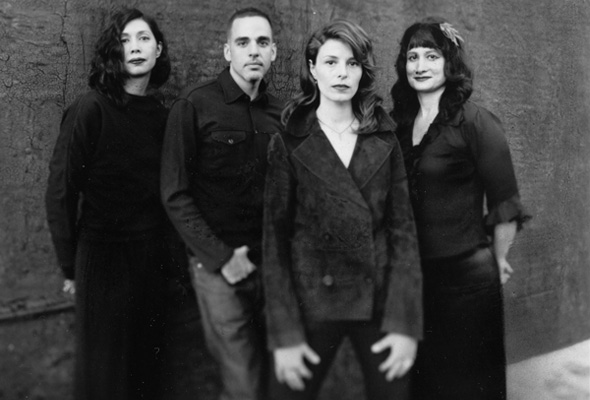
While the music of the ’80s is often disparaged for the plasticity and seeming lack of soul that characterized its most extreme new wave caricatures, the truth is it was a time of top-notch pop and great experimentation, particularly in the realm of electronic instrumentation. Book of Love, a New York–based quartet that formed in 1983, melded the two along with a certain amount of …
June 13th, 2016 | by
Stephen Slaybaugh | published in Features | Leave A Comment »

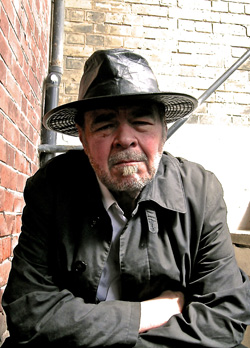 In the accepted pantheon of punk (or whatever you want to call it), figureheads in New York, London, and L.A. are revered as the innovators of this nefarious genre. But running concurrently and almost continuously alongside the fashionable faces of “underground” music, Pere Ubu has existed as a true alternative. Metabolized out of the remains of Rocket from the Tombs, this innovative group first made …
May 23rd, 2016 | by
Stephen Slaybaugh | published in Features | Leave A Comment »


Hitting their stride in the late ’90s, Scottish four-piece Travis is often depicted as the first of a new wave of British bands to follow once the fervor surrounding Brit-pop earlier in the decade had died and left a lull in its wake. But while they may have shared some of their peers’ penchant for instantly fetching melodies, the band separated itself from the pack …
April 18th, 2016 | by
Stephen Slaybaugh | published in Features | 1 Comment »

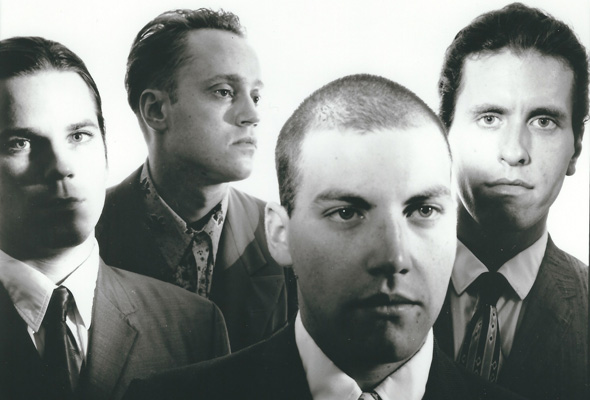
Formed in 1983 by songwriting principals singer Mark Mulcahy and guitarist Ray Neal, New Haven’s Miracle Legion crafted a finely tuned blend of jangly pop-rock, folk intricacies, and Van Morrison-esque soulfulness that by all rights should have grabbed the as of yet unrecognized alternative masses by the ears. Indeed, though they couldn’t get a record review without at least a mention of REM, they never …
March 27th, 2016 | by
Jamie Pietras | published in Features | Leave A Comment »

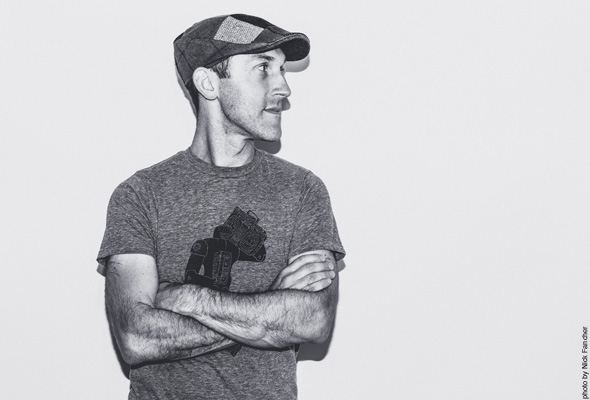
Alone with my headphones and immersed in experimental hip-hop veteran RJD2’s latest release, the eclectic and soulful odyssey Dame Fortune (RJ’s Electrical Connections), my mind drifted to photos I’d seen a few months earlier. The reverie occurred somewhere between track two, a two-and-a-half-minute burst of frenetic then gliding Afrobeat-inflected funk, and track three, a stirring and emotive soul cut featuring the vocalist Jordan Brown.
They …
October 6th, 2015 | by
Stephen Slaybaugh | published in Features | Leave A Comment »


As one-half of The Go-Betweens’ songwriting nucleus, Robert Forster was responsible for some of the most brilliant pop music to emerge from the land down under. But to simply describe what he and partner Grant McLennan created as “pop,” doesn’t do it justice, as the term suggests something disposable or ephemeral. While their music was catchy and frequently sparkling and bright, it was also literate …
July 20th, 2015 | by
Jamie Pietras | published in Features | Leave A Comment »


Emerging from Los Angeles in the late ’70s, X, along with groups like The Gun Club and The Blasters, infused Americana into three-chord rock to create a unique country-punk hybrid. Steeped in an appreciation for poetry as well as folk music traditions, Exene Cervenka and fellow lyricist John Doe inverted the trope of a shiny, happy city of angels on their debut album, Los Angeles…
